


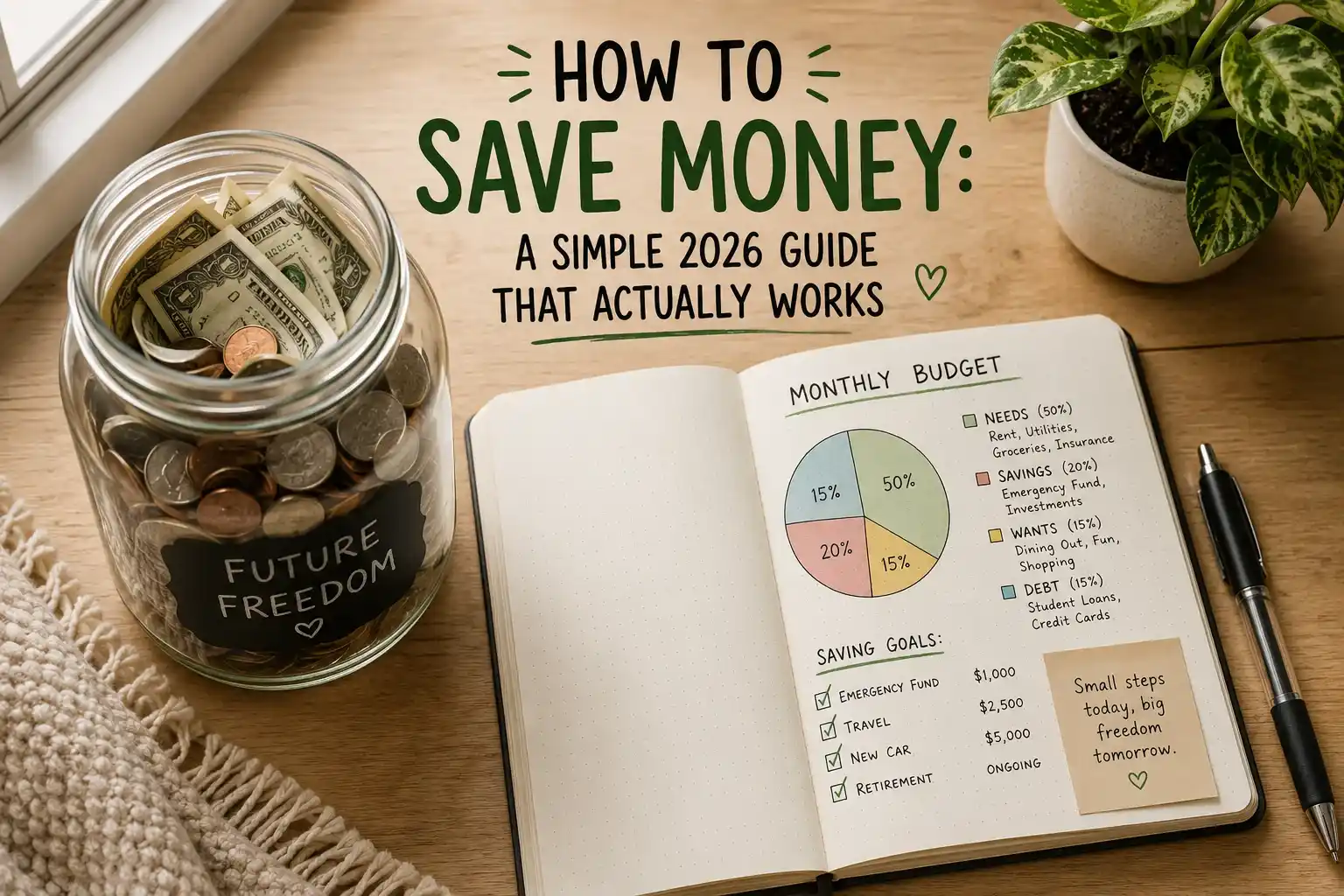
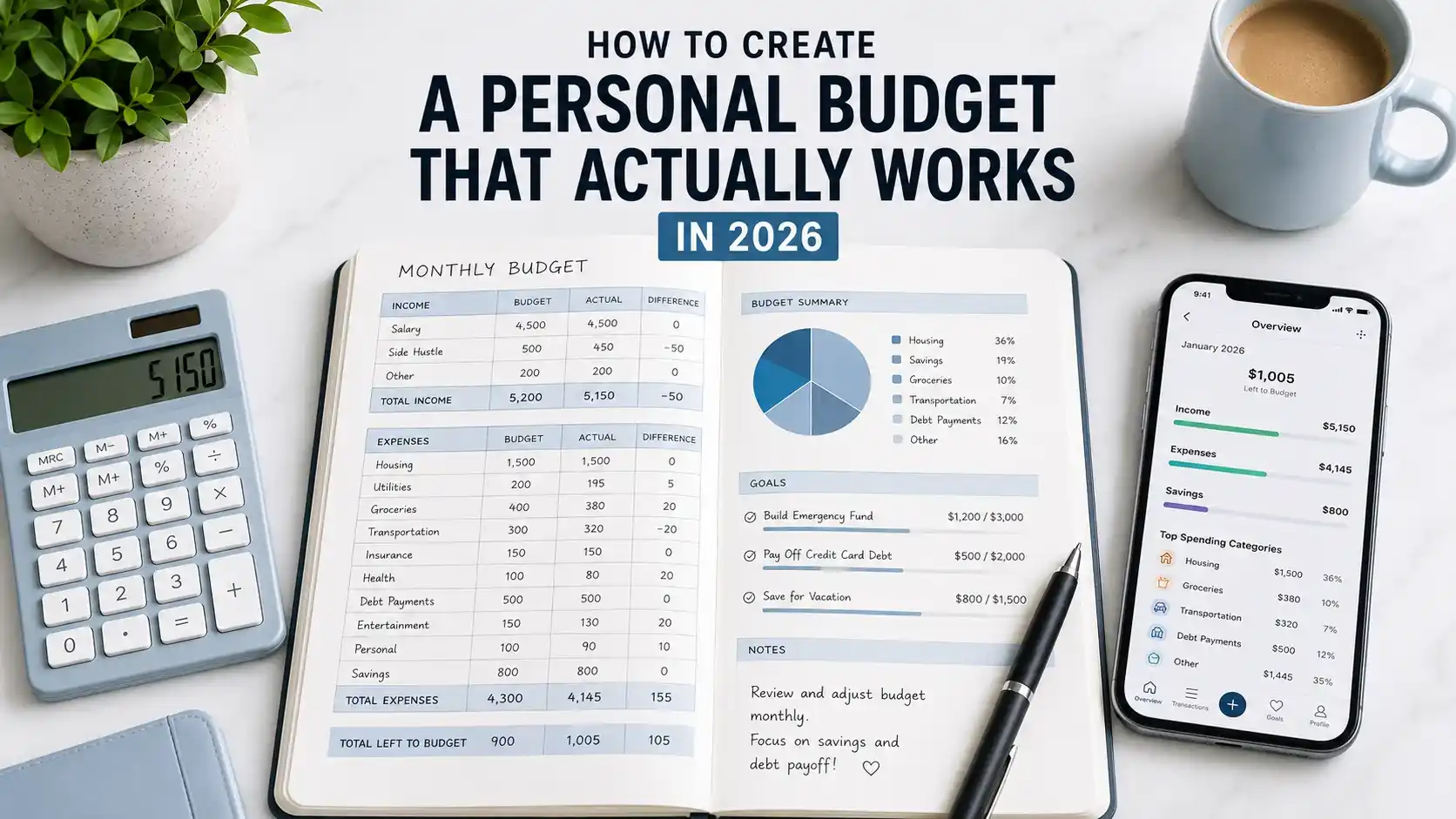



At their core, budgeting apps are digital tools designed to track your income, expenses, and savings in real time. They act as a mirror for your financial habits, showing you exactly where your dollars are landing each month. For a beginner, this visibility is the first step toward personal finance management.
Sitting down to look at your bank account can feel like a horror movie. You know something scary is in there. But you are not quite ready to face it. We got you. We have all been there at some stage in our lives. Whether it’s the,” where the heck my money goes?” feeling or lingering anxiety of an impending credit card bill. Managing your finances as a beginner is exhausting just like learning a new language when everyone around you is shouting in it.
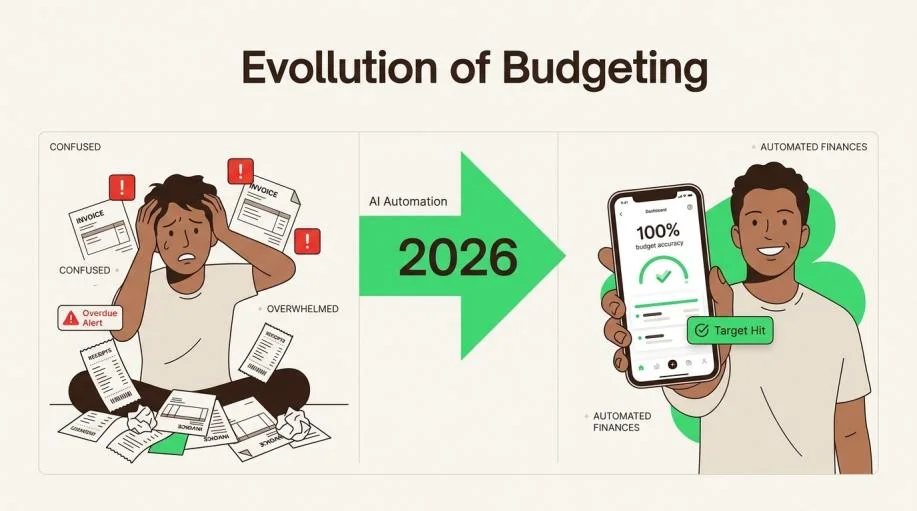
But we have good news for you. In 2026, you don’t need to do it alone. The latest wave of budgeting tools has moved beyond simple spreadsheets. They now use Artificial Intelligence to
Interpret your habits, automate the boring parts, and give you supportive nudges instead of clinical lectures. I’ve spent time testing the most popular options to find the ones that help beginners build confidence without needing a degree in accounting.
What are Budgeting apps and why do beginners need them?
Most of us start our financial journey with a vague idea of our spending. We know the rent is paid and we have some money for groceries. but the “middle ground” (subscriptions, dining out, impulsive late-night purchases) often disappears into a black hole. Budgeting apps pull those transactions out of the shadows. In 2026, the best budgeting apps for beginners have evolved to address the psychological barriers of money management. They focus on automation to reduce 1 the “data entry” fatigue that causes most people to quit after a week. By using AI-driven insights, these tools can explain why you’re overspending.
The 5 best Budgeting apps for beginners in 2026
- Rocket Money
Rocket Money is often the first tool I recommend to beginners because it tackles one of the most common “leaks” in a budget: forgotten subscriptions. It’s less of a “strict” budgeter and more of a financial personal assistant that helps you clean the house before you start building. The app automatically identifies your recurring bills and lists them in one place. If you see something you don’t use anymore, Rocket Money offers a cancellation assistant where their team handles the headache of unsubscribing for you. It also includes a bill negotiation service that identifies where you might be overpaying cable or internet and negotiates a lower rate on your behalf.
| Plan | Monthly Price | Key Inclusions |
| Free | $0 | Account linking, balance alerts, subscription management |
| Premium | $7 – $14 | Cancellation assistant, automated savings, net worth tracking |
Pros:
- Excellent at finding hidden recurring fees that drain your account.
- The interface is incredibly beginner-friendly and requires almost no setup.
- Bill negotiation can literally pay for the app’s premium subscription in a single session.
Cons:
- Custom categories and unlimited budgets are locked behind the premium paywall.
- It’s more focused on tracking the past than proactively planning the future.
2. YNAB (You Need a Budget)
If Rocket Money is the assistant, YNAB is the coach. It is based on a strict zero-based budgeting strategy where every single dollar you earn is given a “job” before you spend it. This might sound intimidating, but for a beginner who feels out of control, this level of intentionality is life changing.
YNAB uses four specific rules to guide you: Give Every Dollar a Job, Embrace Your True Expenses, Roll with the Punches, and Age Your Money.
The goal is to get you to the point where you’re spending “old” money (money you earned at least 30 days ago). This breaks the paycheck-to-paycheck cycle that many beginners struggle with. We found that users who embrace this zero-based budgeting for personal finance often see the fastest results.
| Plan | Monthly Price | Annual Price |
| Annual Plan | $9.08 (avg) | $109 |
| Monthly Plan | $14.99 | N/A |
Pros:
- Forces you to be intentional with every cent, which is the best way to curb impulsive spending.
- The YNAB Together feature allows up to six people to share one subscription, making it great value for families.
- College students get 12 months for free, which is an incredible way to start their financial life.
Cons:
- There’s a steeper learning curve than other apps on this list.
- It’s one of the more expensive options and doesn’t have a permanent free tier.
3. Monarch Money
For beginners who want a “financial command center” that looks and feels like a modern tech app, Monarch Money is the winner. It was built by some of the original creators of Mint, and it fills that vacuum perfectly by offering a sleek, ad free experience.
Monarch Money is particularly great for beginners who’re managing money with a partner. It allows you to add a partner to your account for free, giving each of you a separate login to view your shared financial picture. You can choose between two budgeting styles: “Flex” for a high-level overview or “Category” for deep-dive tracking.
| Plan | Monthly Price | Annual Price |
| Core | $14.99 | $99.99 ($8.33/mo.) |
| Plus | N/A | $199.99 ($16.67/mo.) |
Pros:
- The AI Assistant lets you ask natural questions like “How much did I spend on dining out last month?” and get instant answers.
- It provides an excellent net worth visualization by tracking 13,000+ institutions including investments and crypto.
- It’s completely ad-free, meaning your data isn’t being sold to advertisers.
Cons:
- No permanent free tier is available after the initial 7-day trial.
- The subscription cost is higher than some other tools.
4.Cleo
If traditional budgeting apps feel too “clinical” or “boring,” you need Cleo. This app uses a conversational AI chatbot that lives on your phone and speaks like a human.
It’s famous for its personality-driven features, like “Roast Me” (where she mocks your overspending) and “Hype Me” (where she celebrates your wins).
For a beginner, Cleo removes the “budgeting anxiety” by turning your finances into a text conversation. You don’t have to look at complex charts if you don’t want to; you can just ask Cleo if you can afford to buy that $6 coffee today. It’s highly engaging and particularly popular with Gen Z and tech-savvy beginners.
| Plan | Monthly Price | Key Inclusions |
| Free | $0 | Spending insights, budget tracking |
| Plus | $5.99 | Cash advances, daily savings interest |
| Builder | $14.99 | Credit building features |
Pros:
- The conversational interface makes checking your money feel like texting a friend.
- Includes gamified savings goals that help build long-term habits without it feeling like a chore.
- The credit-builder card is a great tool for beginners who need to improve their score while budgeting.
Cons:
- The tone might be too casual or “snarky” for some users.
- It’s less focused on deep wealth management or retirement planning compared to Monarch.
5. Goodbudget
Goodbudget is the digital version of the classic “cash envelope” method. If you’ve ever heard of people putting physical cash into labeled envelopes for groceries, rent, and gas, this is that system inside your phone. It’s a simple and focused methodology that’s perfect for beginners who want a visual way to see their limits.
You allocate your monthly income into virtual envelopes. When an envelope is empty, you’re done spending that category for the month. It’s a great way to practice a zero-based budgeting strategy for insurance and debt because it forces you to prioritize your “needs” before your “wants.”
| Plan | Monthly Price | Annual Price |
| Free | $0 | $0 |
| Premium | $10 | $80 |
Pros:
- The free tier’s very generous, supporting up to 10 regular envelopes which is usually enough for a basic budget.
- It syncs across multiple devices, making it a great free option for couples to stay on the same page.
- Encourages manual transaction entry in the free version, which helps build awareness of where your money is going.
- Cons:
- No bank sync in the free version means you’ve to be disciplined about entering every purchase.
- The interface feels a bit dated compared to the sleek designs of newer tools.
Start managing your money confidently with the right budget tool
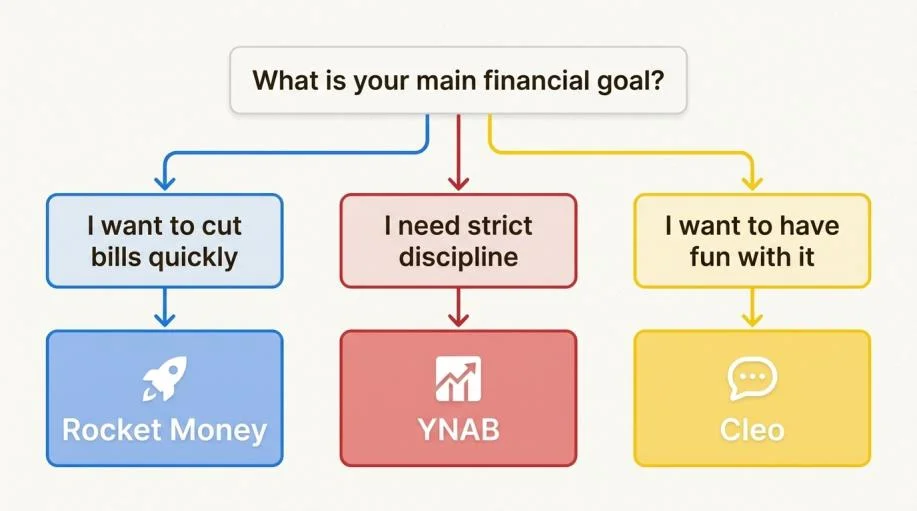
There’s no such thing as a “perfect” budgeting app. There’s only the app that works for you. Whether you choose the high-tech automation of Monarch Money, the conversational charm of Cleo, or the strict discipline of YNAB, the most important step is simply starting.
At Fiscible, we’re passionate about helping you make smarter financial decisions by simplifying the complex. Budgeting is the foundation of everything else in your financial life, from buying a home to investing in your future.
By taking control of your daily spending today, you’re giving yourself the freedom to dream bigger tomorrow.
If you’re ready to keep your financial journey going, explore our other saving and budgeting guides or learn more about how to become rich through proven personal finance management strategies.
Your future self will thank you for opening that bank account and facing the horror story today, so you can turn it into a success story tomorrow.