






Most people have tried budgeting at least once. They open a spreadsheet, list their income, write down their expenses, and feel really good about themselves for about three days. Then life happens. An unexpected car repair. A birthday dinner. A sale that was too good to pass up. And just like that, the budget is forgotten.
The problem is not your willpower. The problem is that most budgeting advice assumes you live a perfectly predictable life. You do not. And your personal budget plan needs to account for that.
This guide is about building a personal budget that actually fits your real life, not some idealized version of it. We will walk through the core principles of finance management, cover the most popular budgeting methods, and give you a framework you can start using today.
Why Personal Budgeting Still Matters in 2026
With inflation still affecting everyday purchases and interest rates remaining elevated compared to a few years ago, personal finance management has never been more important. A solid personal budget helps you:
- Understand exactly where your money goes each month
- Build an emergency fund before you actually need it
- Pay down debt faster without feeling deprived
- Save for things that matter, whether that is a home, travel, or retirement
- Reduce money-related stress significantly
According to multiple personal finance surveys, people who maintain a monthly budget consistently report higher financial confidence and lower anxiety around money. The act of tracking your finances creates awareness, and awareness leads to better decisions.

Step 1: Know Your Real Monthly Income
Before you can manage money well, you need to know how much is coming in. This sounds obvious, but many people budget based on their gross salary rather than their actual take-home pay. Always start with your net income, meaning what lands in your bank account after taxes and deductions.
If your income varies month to month, use your lowest earning month from the past six months as your baseline. It is always better to budget conservatively and have money left over than to assume a number that does not show up.
Include all income sources: your main job, any freelance work, rental income, side hustles, and regular transfers from investments or savings.
Step 2: Track Every Expense for 30 Days
Do not guess at your expenses. Track them. For at least one full month, record every single purchase. Every coffee. Every subscription. Every random Amazon order. This exercise alone tends to be eye-opening for most people.
You can use a budgeting app like YNAB, Mint alternatives, or even a simple notes app on your phone. The tool matters less than the habit. Once you have 30 days of real data, you will have a much more accurate picture of your actual spending habits.
Most people are surprised by two categories when they do this: food and entertainment. These tend to be where the biggest leaks happen in personal finance management.
Step 3: Choose a Budgeting Method That Fits You
There is no single best budgeting method. The best personal budget framework is the one you will actually stick with. Here are three popular approaches:
The 50/30/20 Rule
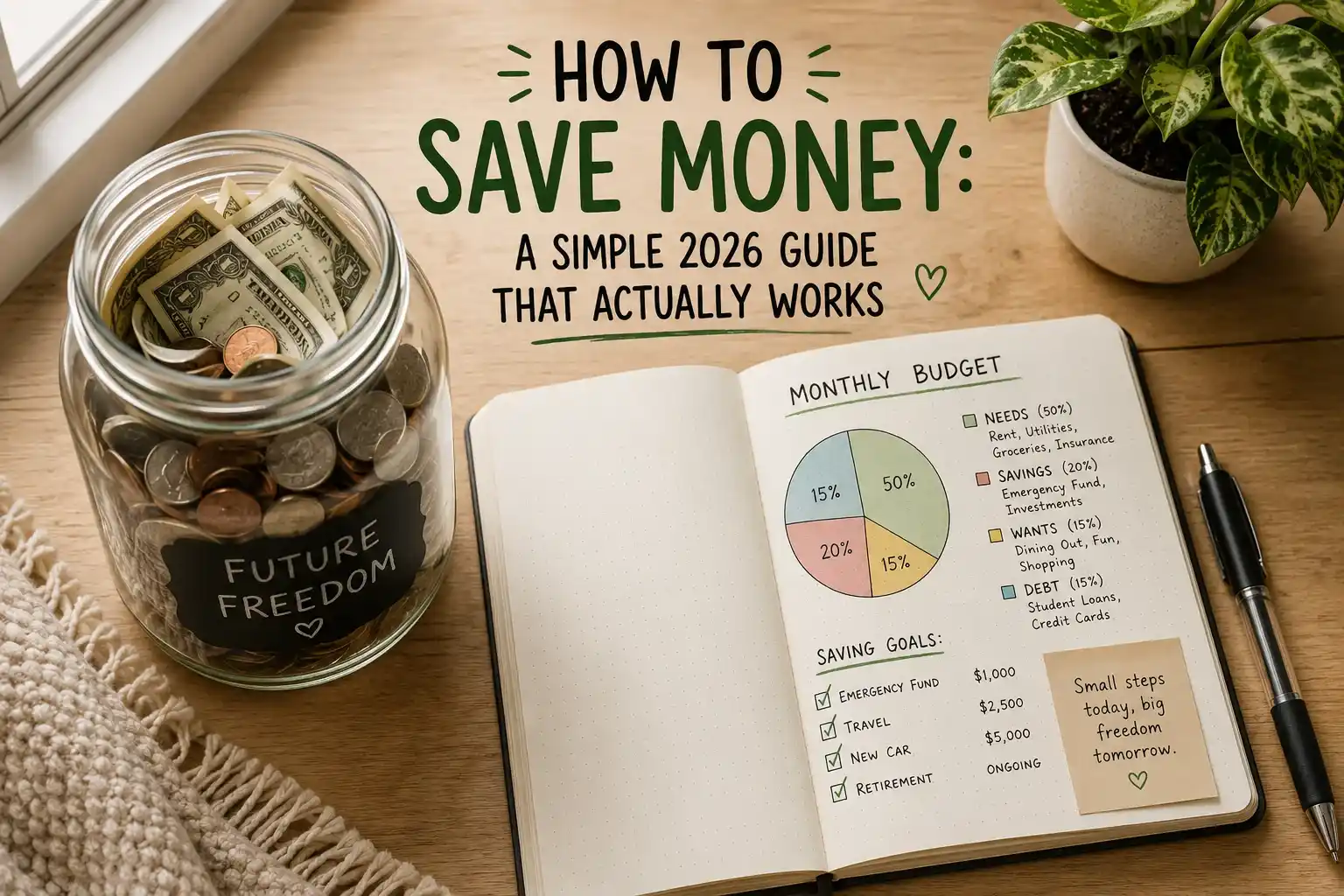
This is one of the most well-known personal finance management frameworks. You divide your after-tax income into three buckets: 50% for needs (rent, groceries, utilities, transportation), 30% for wants (dining out, subscriptions, hobbies), and 20% for savings and debt repayment. It is flexible and easy to remember, which makes it great for beginners.
Zero-Based Budgeting
With this method, every dollar of your income gets assigned a job until you reach zero. If you earn $4,000 a month, your budget should account for all $4,000, whether that money goes toward bills, savings, or fun spending. This method works well for people who want tight control over their finance management.
The Pay-Yourself-First Method
As soon as your paycheck arrives, you transfer a set amount to savings before spending anything else. You live on what remains. This approach takes discipline in the first couple of months but tends to build strong saving habits quickly. It works especially well combined with an automated transfer to a high-yield savings account.
Step 4: Set Up Budget Categories That Reflect Your Life
Generic budget templates list categories like housing, food, and transportation. But your life probably includes things those templates miss. Maybe you support a family member financially. Maybe you have a pet that comes with real monthly costs. Maybe you invest in a side business.
Effective personal budgeting means building categories that reflect your actual financial life, not a hypothetical one. Some common categories people overlook in their monthly budget planner include:
- Medical costs and prescriptions
- Car maintenance and registration fees
- Annual expenses divided into monthly contributions (holiday gifts, insurance premiums)
- Personal care and grooming
- Professional development and learning
Dividing annual expenses into monthly contributions is one of the best finance management habits you can build. If you spend $1,200 on car insurance annually, that is $100 per month to set aside. When the bill comes, you already have the money.
Step 5: Review and Adjust Every Month
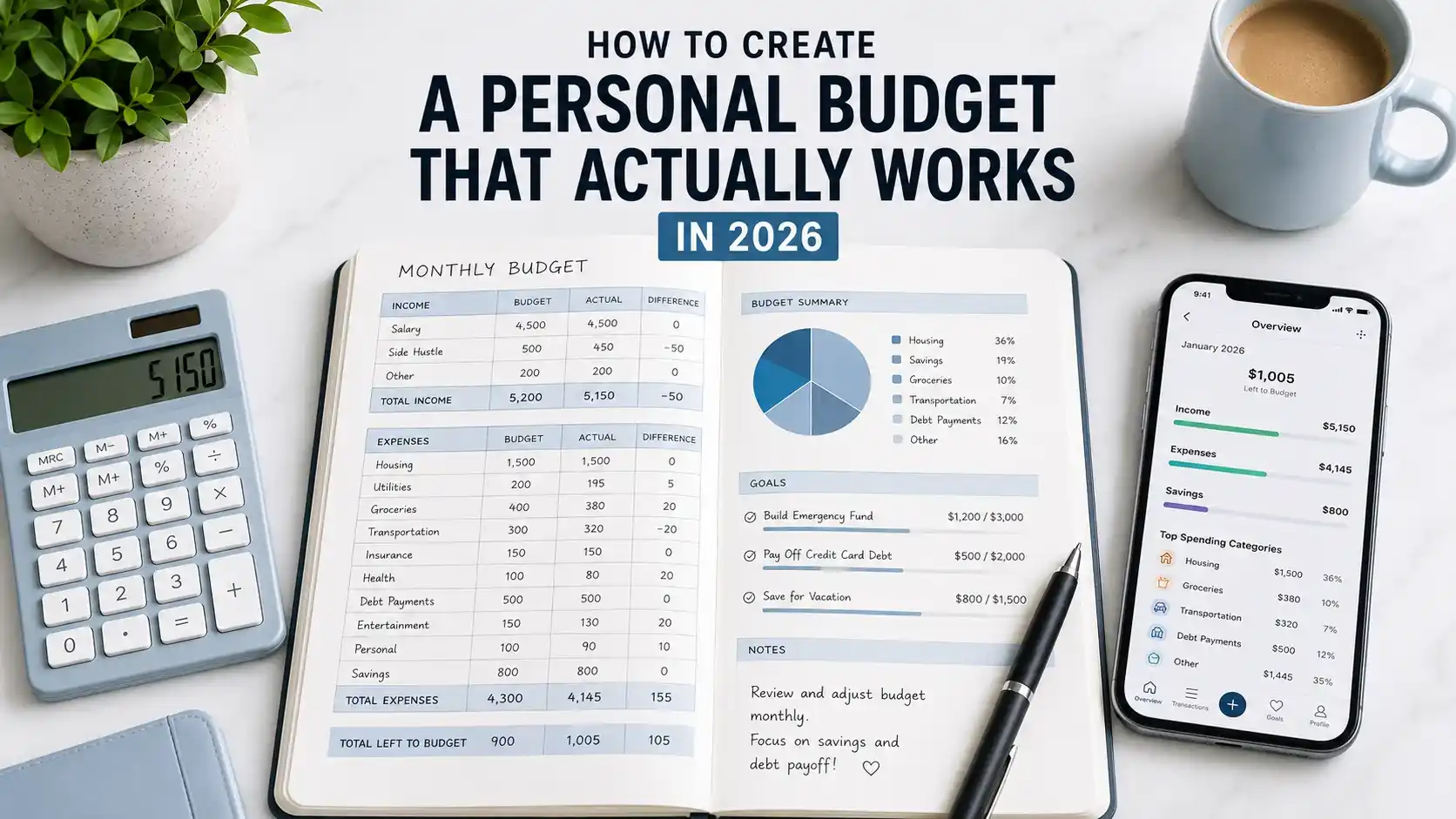
Your budget is not a set-it-and-forget-it document. Life changes, and your personal budget needs to change with it. Schedule a monthly budget review, even if it only takes 20 minutes.
During your review, look at what you planned versus what you actually spent. If a category is consistently over budget, either you need to cut spending there or you need to adjust your budget to reflect reality. Both are valid choices. The goal of finance management is not perfection. It is progress.
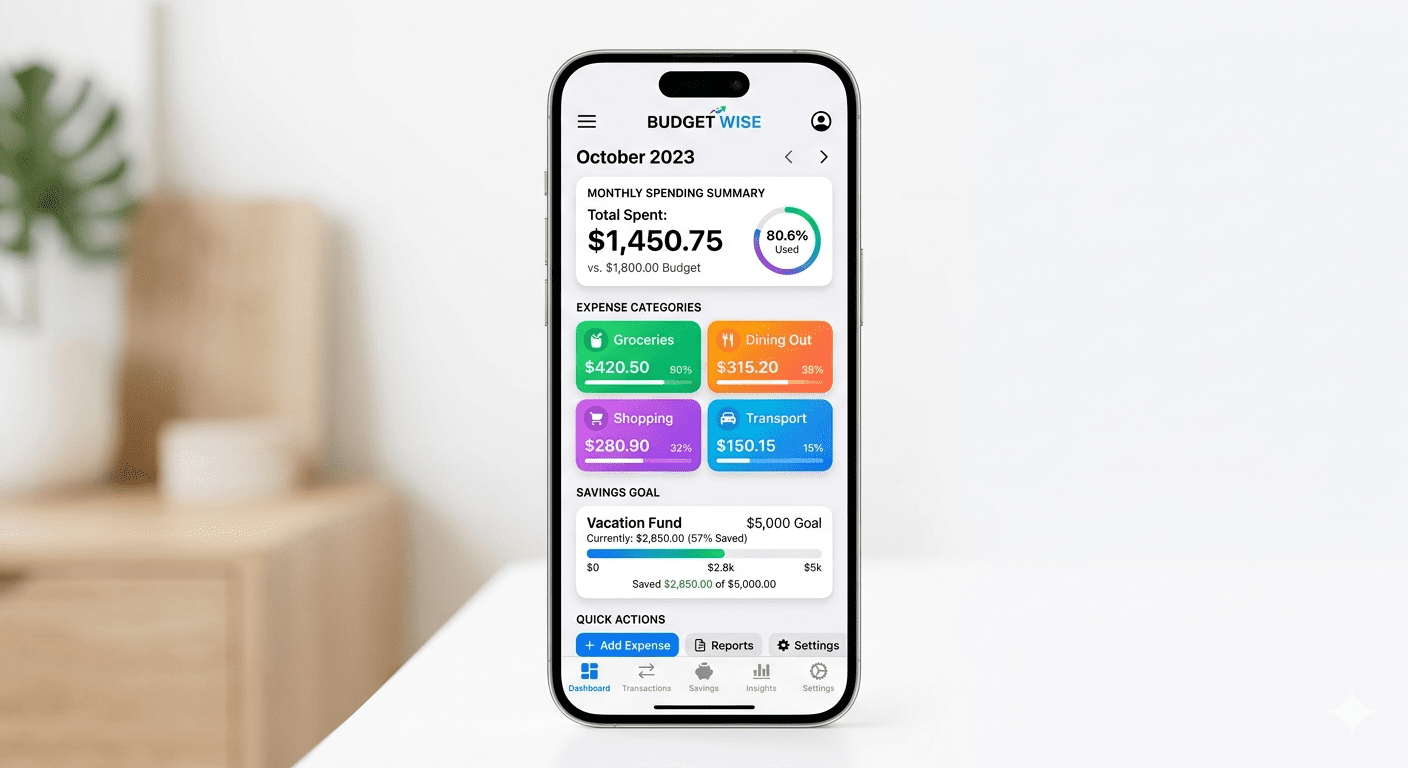
Apps that link directly to your bank accounts make this process much faster. You can see your spending patterns in real time without manually entering every transaction.
Common Personal Budgeting Mistakes to Avoid
- Setting unrealistic spending limits that you cannot maintain
- Forgetting irregular expenses like car maintenance or annual subscriptions
- Not budgeting for fun at all, which leads to burnout and abandoning the budget entirely
- Treating savings as whatever is left over instead of a fixed budget line
- Comparing your budget to someone else’s financial situation
Tools That Make Finance Management Easier in 2026
Technology has made personal budgeting more accessible than ever. Some of the most useful tools for finance management right now include spreadsheet-based templates (Google Sheets and Excel both offer free budget templates), dedicated budgeting apps that sync with your bank, and automated savings tools that move money without you having to think about it.
The Fiscible mortgage calculator and take-home pay calculator can also help you understand your real numbers before building your budget, which removes a lot of the guesswork.
Final Thoughts
Creating a personal budget that works is not about being perfect with money. It is about building a system that reflects your actual life and keeps you moving in the right direction. The best personal budget is the one you will actually use, review, and adjust over time.
Finance management does not have to be complicated. Start with your income, track your real spending, pick a budgeting method that makes sense for you, and build in a monthly review habit. Do those four things consistently and your financial picture will look very different a year from now.
Visit FISCIBLE for more budgeting guides.






One thought on “HOW TO CREATE A PERSONAL BUDGET THAT ACTUALLY WORKS IN 2026”