
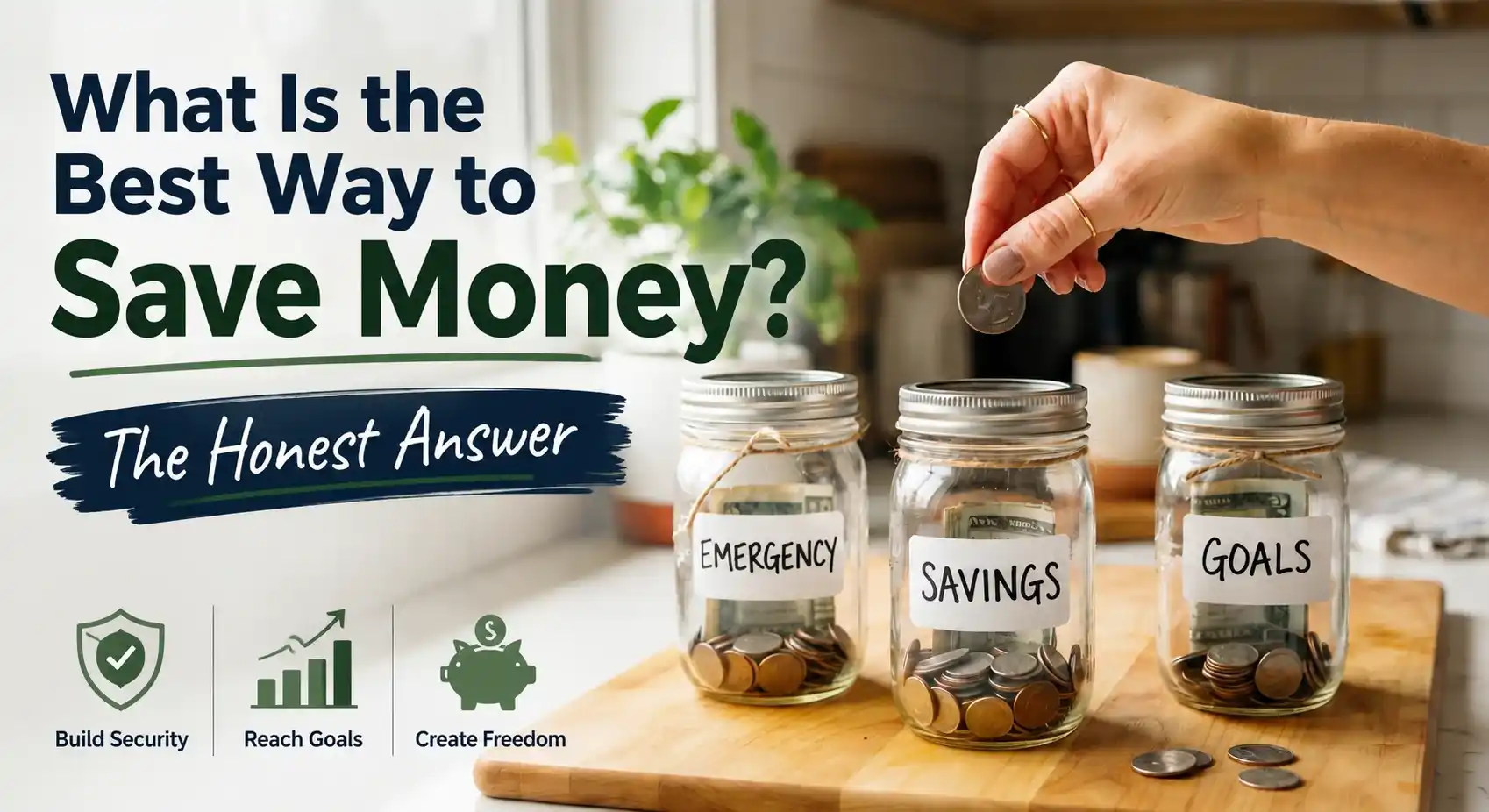




Search for the best way to save money, and you will find a hundred different answers: automate everything, cut your coffee habit, follow a strict budget, or invest instead. The truth is that no single method works for everyone, because everyone has a different income, different expenses, and a different relationship with money. What actually matters is finding the approach that fits your life closely enough that you will still be doing it six months from now.
This article breaks down the most commonly recommended methods, what each one is genuinely best at, and how to combine them into a system that makes it the best. way to save money.
There Is No Single Best Way, But There Is a Best Starting Point
If you take nothing else from this article, take this: the best way to save money is the one you will actually stick with. A perfect plan you abandon after two weeks saves you nothing. A simple plan you follow for a year builds real momentum. With that in mind, here is how the most popular methods stack up.
The Case for Automation: Best Way to Save Money
Automatic transfers are often called the single most effective saving strategy, and for good reason. When you set up a transfer from checking to savings the day after payday, the decision to save is made once and then repeats itself without relying on willpower. You never see the money as spendable, so you never miss it the way you would if you had to manually move it each month.
Automation is the best fit if you tend to spend whatever is sitting in your checking account or if you have tried budgeting apps before and lost interest after a few weeks.
The Case for the 50/30/20 Rule
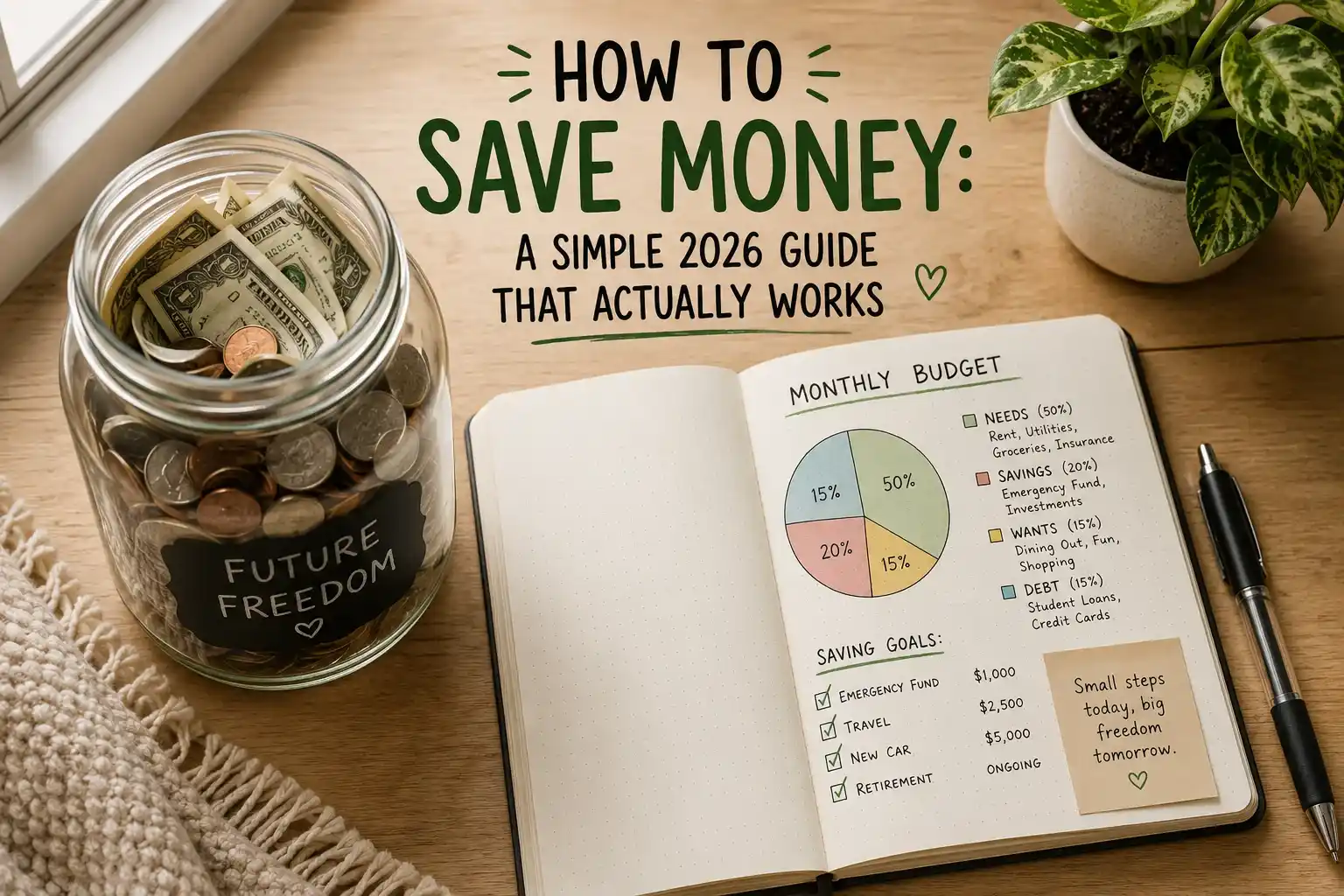
The 50/30/20 rule splits after-tax income into needs, wants, and savings or debt repayment. It is easy to remember and gives you a rough framework without demanding that you track every single purchase. This method works best for people who want structure but do not have the time or patience for detailed spreadsheets.

The Case for a Zero-Based Budget
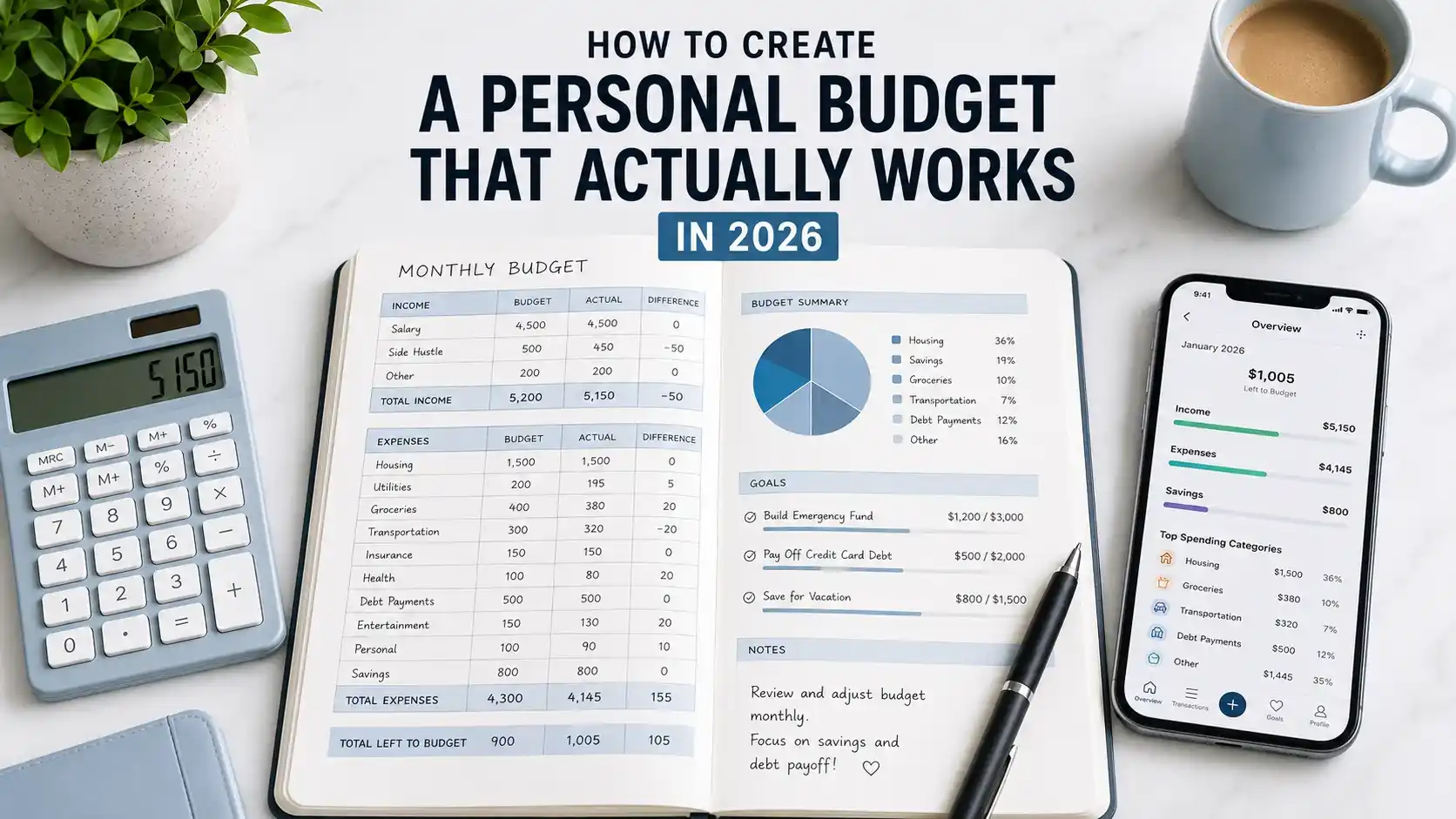
A zero-based budget assigns every dollar of income a specific job before the month begins, so income minus expenses minus savings equals zero. This method gives you the most control and the clearest picture of where your money goes, but it also takes more effort to maintain. It tends to work best for people who like details and want to catch small leaks before they become expensive.
The Case for Cutting Fixed Costs First
Rather than trimming small daily purchases, this approach focuses on renegotiating or replacing your biggest recurring bills: insurance, internet, subscriptions, and interest rates on debt. A single successful negotiation, like lowering your insurance premium or refinancing high-interest debt, can save you more in one phone call than months of skipping coffee. This method is best for people who find daily budgeting exhausting but are comfortable making a few bigger, one-time changes.
- Automation: best for people who spend whatever is available
- 50/30/20 rule: best for people who want light structure without spreadsheets
- Zero-based budgeting: best for people who want full control over every dollar
- Cutting fixed costs: best for people who prefer a few big wins over daily discipline
Which Method Fits Your Situation
If you are just getting started and feel overwhelmed, automation alone is the simplest entry point. If you already track spending loosely and want more clarity, the 50/30/20 rule gives you a light structure to work within. If you are the type of person who likes numbers and wants precision, a zero-based budget will feel satisfying rather than restrictive. And if your schedule is packed and you would rather make a few big changes than manage daily decisions, start by auditing your fixed bills.
How to Combine These Methods
In practice, the best results usually come from combining two or three of these approaches. A common and effective combination looks like this: use the 50/30/20 rule as your general framework, automate the 20 per cent savings portion so it happens without effort, and once a year, spend one afternoon auditing your fixed costs for savings you might have missed. This gives you structure, consistency, and periodic bigger wins, without requiring daily tracking.
Where to Keep the Money You Save
Once you have chosen a method, where you store your savings matters just as much. A high-yield savings account will grow your emergency fund and short-term savings faster than a standard checking or savings account, often paying several times the national average interest rate. Keep this money in a separate account from your everyday spending so it is not just one tap away from disappearing.
Signs a Method Is Not Working for You
It is worth learning to recognise when a saving method is not a good fit, rather than assuming you are simply bad at saving money. If you find yourself dreading a weekly budget review, constantly forgetting to log purchases, or quietly resenting the whole process after a few weeks, that is usually a sign the method is too rigid for your personality, not a sign that you have failed. The fix is almost always to simplify, not to try harder at a system that was never going to fit in the first place.
A good test is whether you can picture yourself still doing this exact routine a year from now. If the answer is no, it is worth adjusting the approach before you lose momentum entirely.
Revisiting Your Method as Life Changes
The best way to save money at twenty-two, when you might be renting with roommates and have few fixed obligations, often looks very different from the best way at thirty-five, with a mortgage, a family, or a more complex budget. It is normal, and even healthy, to revisit your saving method every year or so, especially after a major life change like a new job, a move, or a change in income. What worked perfectly last year might feel clunky today, and that is fine. The goal was never to find one method forever. It is to keep the money moving toward savings, however that gets accomplished.
The Bottom Line
The best way to save money is not a secret formula. It is the combination of automation, a workable structure, and periodic bigger wins that fits how you actually live. Start with one method this week, adjust as you learn what works, and let the system carry the weight instead of relying on willpower alone.
Want to go deeper on structure? Our guide to budgeting frameworks on Fiscible breaks down several popular systems in more detail.