





Impulsive Buying Behavior can be escaped with the help of zero based journaling and I will show you exactly how in this article:
In the past few years whenever I struggled with my financial catastrophe at the end of the month, I always remember what my grandmother used to say, “If you don’t have something in your use now, you probably won’t need it for the future also”. Now after years of financial struggle due to my poor choices and impulsive buying behaviors, I start to understand what she really meant.
I used to mock my fragile and meek nanny with funny look knitting a sweater with her delicate and shivery hands in her cozy backyard of hers. I sat beside her rubbing crayons carefully in my coloring books and she used to say: “my dear, always cut your coat according to your cloth”. Now after years of getting financial advice and using finance tracking apps or trying different budgeting techniques, I concluded that the old lady was financial guru.
Spending money is not bad but spending it mindlessly would ruin you. I will tell you how. In neuroscience, Frontal lobe is one of the five lobes located at the front of your head responsible for reasoning, decision making and emotional stability.
As stated by some authentic medical sources, When a person starts to ignore their frontal lobe due to various reasons, they develop impulsive behavior. Any impulsive behavior can be a psychological disorder, so is impulsive buying behavior.
Before identifying this behavior in oneself, one needs to understand
- What is Impulsive buying behavior?
- And what are the triggers that cause impulsive behaviors?
Understanding and identification are the first steps to fix this problem.
What is Impulsive Buying Behavior:
Impulsive buying is defined as a situation where you buy something without any pre-planned intention or actual need for that thing. It is done just for the sake of gratification and dopamine rush.
In the case of impulsive buying, there are certain triggers or factors that cause the urge to purchase an item without considering further consequences. Emotions or mental state of a person are key factors in impulsive buying behavior.
For instance, on a rainy night of December in California I was laying down scrolling reels trying to kill boredom. I see an influencer advertising a red tank top which has 40% sale till midnight and somehow specially made for my pear-shaped body. What I thought at that exact moment:
- I am going to slay in this outfit just like that fashion influencer.
- I need to hurry because I can get that at almost half of the original price.
- A new addition to your wardrobe is very satisfying.
And I hit that “place an order” button. COOL!
I was happy and suddenly less bored. But it was momentarily. What I did not think at that moment was:
- Do I need this tank top?
- How could it impact my budget?
I absolutely did not need that top. I did not afford it as well. But buying it gave me moments of pleasure and months of financial distress. I am sure you can relate to this situation somehow.
Impulsive buying behavior has similar pattern everywhere which needs to be kept in mind:
- It can be a sudden urge immediately after seeing something.
- A person deliberately ignores his needs and purchasing power.
- You feel emotional satisfaction for some time after making the purchase.
- Later, relief and gratification convert into guilt and distress.

Emotional Triggers of Impulsive Buying Behavior:
Marketing Strategies:
The digitalization of businesses has come up with numerous marketing strategies. According to an article published by Park University
These include:
- Content Marketing
- Social Media Marketing
- SEO Influencer Partnerships
- Email Marketing
- Paid advertising (PPC).
They are designed specifically to hit the triggers in the buyer’s mind.
Societal or Peer Pressure caused by social media:
People are highly connected with each other through social media applications. They always know what’s going on in their friends and colleagues’ lives. This also puts unseen pressure on a person’s mind to buy things which others are consuming in his circle.
Besides that, there are some emotional triggers which can be a cause of these irrational purchases. These triggers include:
- Boredom
- Hedonism
- Stress
- Loneliness
- Emotional burnout or Exhaustion
Granny doesn’t have Encyclopedic knowledge about neuroscience and finances, but she trained her impulses by knitting slowly, thread after thread, knot after knot. Delayed gratification was the key which I learned in a hard way.
How to Cope with Impulsive Buying Behavior:
Impulsive buying behavior is an emotional regulation issue more than a financial one. It needs to be dealt with consistency and mindfulness.
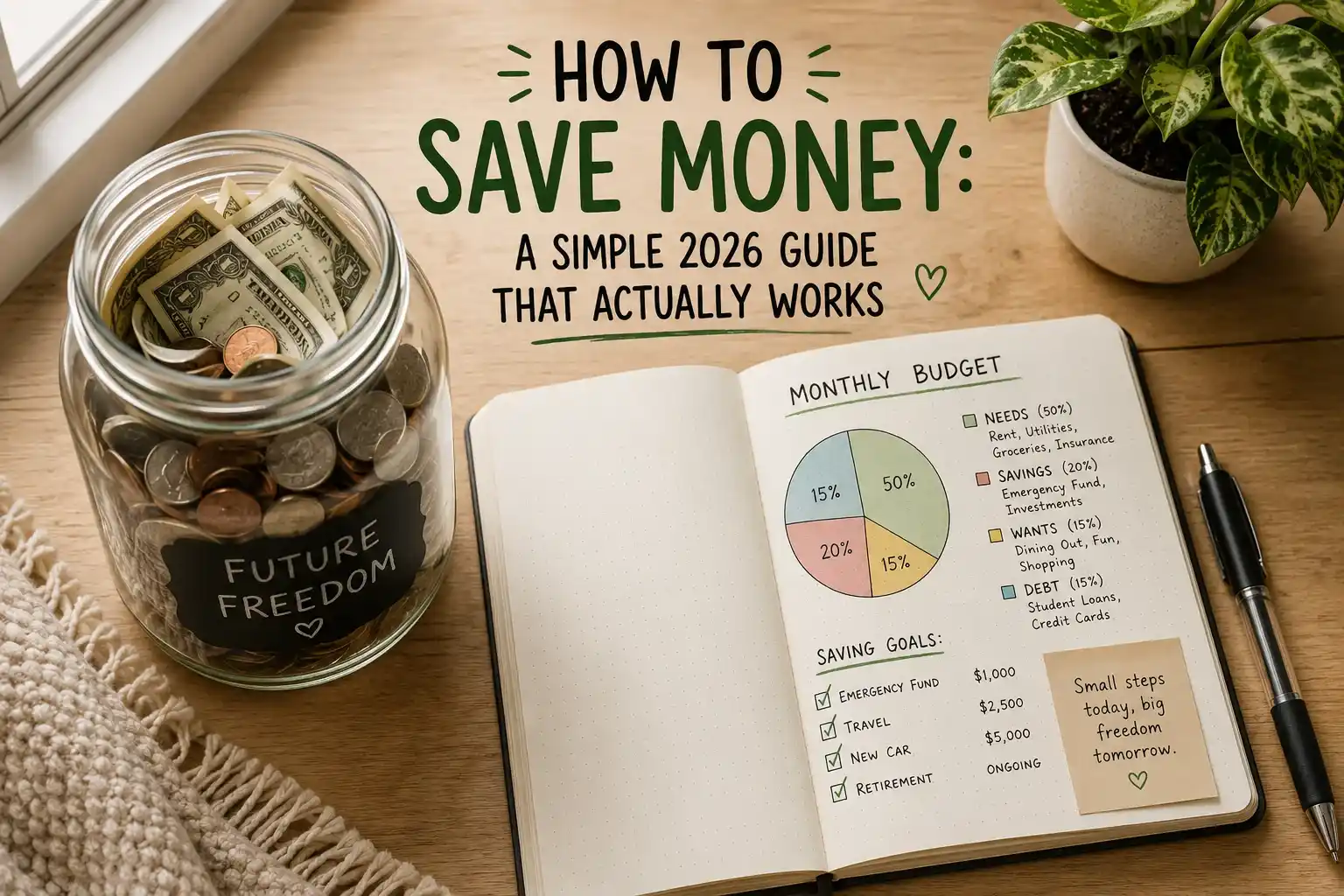
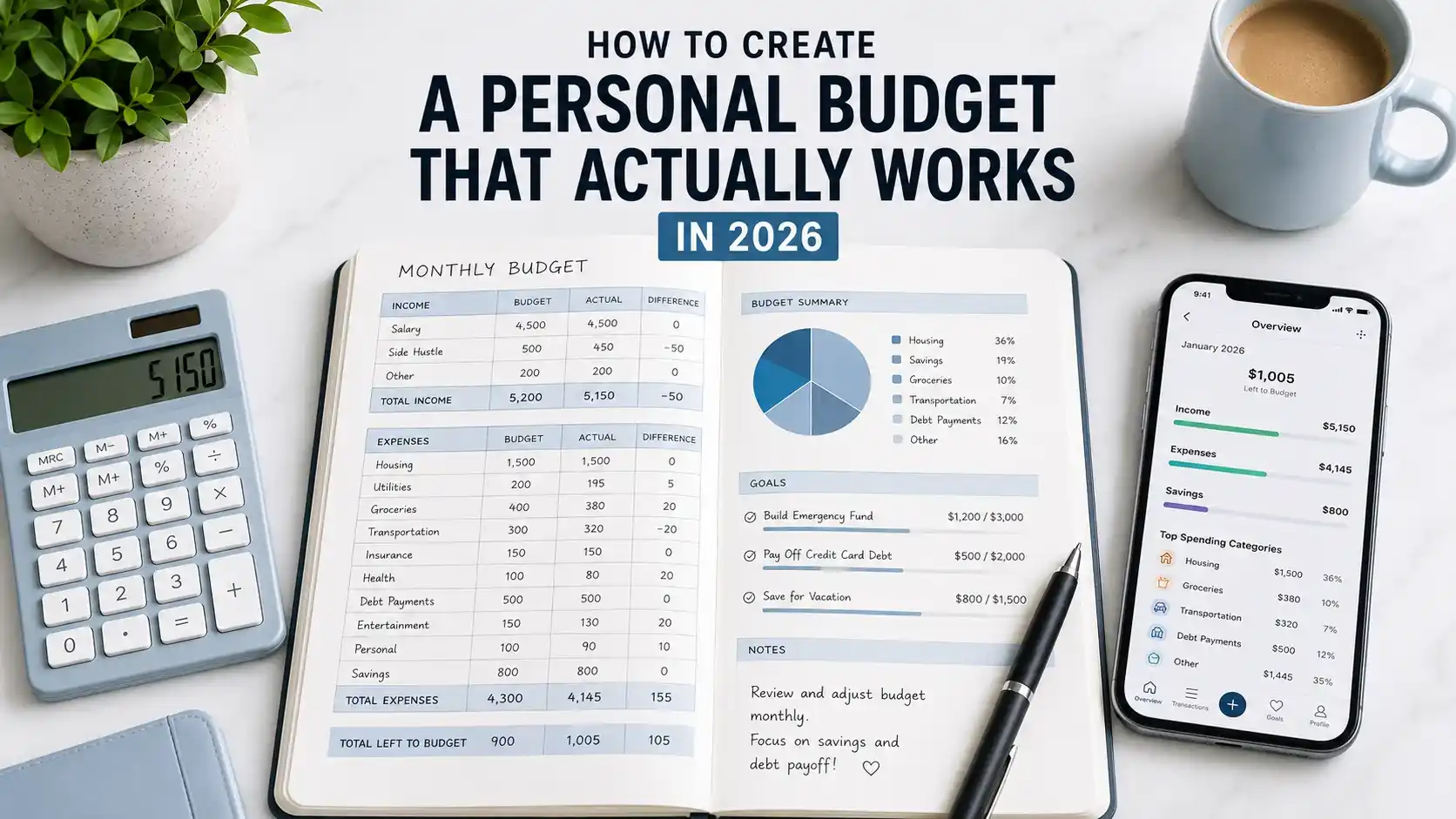
In my previous article, I suggested Zero Based Financial budgeting journaling technique to manage my finances.
In the article, I will tell you how zero-based budgeting specifically helps with coping impulsive buying behavior and regulate your emotions and learn to use frontal lobe before every decision making.
Why Zero-Based Budgeting Journaling is useful for Impulsive Buying Behavior:
There are many ways to organize your finances. Traditional budgeting techniques like 30/50/30 rule, and Envelope budgeting system , they are useful for people who are already conscious of their finances.
For people like me and relating to me needs a budgeting system, which can track their emotions along with their dollars.
Journaling for Impulsive buying Behavior: Manual Guide.
I Started zero based budgeting journaling back in 2022, I bought a notebook and pen and started to write down every record of my transactions.
But it was badly disrupted by my impulsive buying behavior. So, when I consulted this matter with my financial advisor, he advised me to make a separate portion just for impulsive purchases and write down following questions in it:
- Write the name and specifications of the item.
- Write down the similar items you already have in your possession.
- What is my emotional trigger which is urging me to make this specific purchase?
- Would I still want it after 24 hours?
- And how much expense do I need to cut down on other things to buy this?
He told me to make a rule to answer all these questions before making a purchase.
“If you still want to buy that, go ahead but write down the reason to bypass your frontal lobe.
After some time, you would start to notice and understand your patterns, and by understanding your patterns and triggers, you would be able to control 80% of your impulse purchases”. He advised me.
For me, it was a game changer. Nothing changed overnight. But with consistency, patience and determination, even hard cookies can be cracked.
Weekly Report:
Keeping a check on yourself is absolutely essential. You got to write your performance report in your journal every week like we our teachers used to make in school. This would keep you motivated and aware.
Write answers to the following questions:
- How many impulse purchases did I make this week?
- How many times have I controlled my impulses sucessfully?
- What triggers can be controlled and how?
Conclusion:
Zero Based Budgeting journaling will help you control your impulsive buying behavior by turning your financial management into emotional catharsis. This would help you regulate your emotions and finances simultaneously.
Learn to bring back the patience you once had while rubbing your crayons on the figures made on coloring books. Careful enough to not get the color out of the outline in your granny’s cozy backyard.